


Business Financing – A Guide for Start-Up and Growing Businesses
What Is Business Financing?
Every business needs money to get off the ground. Whether you’re launching a brand-new venture or looking to expand an existing one, the question is always the same — where can you find business financing?
Business financing is any method a company uses to get the money it needs to operate,  grow, or cover day-to-day expenses. That covers a lot of ground. We’re talking everything from traditional bank loans and SBA programs to merchant cash advances, invoice factoring, and equipment leasing. Each type of financing serves a different business purpose, and what works for one company may not be the right fit for another.
For small businesses especially, finding the right funding sources can feel overwhelming. Banks want years of history and perfect credit. Investors want equity. Friends and family come with strings attached. The reality is that most small business owners end up using a combination of financing methods to get where they need to go — and there’s nothing wrong with that.
The key is understanding what’s available to you. When you know the landscape — what each type of financing costs, what it requires, and what it’s best used for — you make smarter decisions with your money. You stop chasing options that were never going to work and start focusing on the ones that actually fit your situation.
That’s what this guide is built for. We’re going to walk through every major category of business financing, from secured and unsecured loans to government-backed programs, alternative funding, and newer options like MCA consolidation. Whether you’re a new business just getting started or an established company looking for working capital, there’s something here for you.
Traditional Bank Loans & Credit Unions
The Old-School Route
When most people think about business financing, they think about walking into a bank and sitting down with a loan officer. Traditional bank loans have been around forever, and for good reason — they typically offer the lowest interest rates and the longest repayment terms. If you can get one, it’s usually the cheapest money available.
But that’s a big “if.”
What Banks Want to See
 Traditional bank lenders want established businesses with strong financials. We’re talking two or more years in operation, solid annual revenue, good personal and business credit, and often a deposit account relationship with that same bank. They want to see that you’re already successful before they’ll help you grow. For a new business or a startup without a track record, that’s a tough hill to climb.
The application process itself isn’t quick either. Expect weeks — sometimes months — of paperwork, underwriting, and back-and-forth before you get an answer. And if that answer is no, you’ve burned a lot of time with nothing to show for it.
Credit Unions as an Alternative
Credit unions are worth a look if traditional methods haven’t panned out. They operate on a membership model, which often means more flexible lending criteria and a more personal approach. Monthly payments can sometimes be structured more favorably, and they tend to be more willing to work with small business owners who have thinner credit files.
That said, credit unions still have limits. Their loan amounts tend to be smaller, and they may not offer the specialized financing products — like equipment leasing or invoice factoring — that many businesses actually need.
The Bottom Line on Traditional Lending
If you’ve got the credit, the history, and the patience, a traditional bank loan is hard to beat on cost. But most small businesses — especially startups — need to look beyond the bank. The good news is there are plenty of other options, and we’re going to cover all of them.
Secured Business Financing
What Makes It “Secured”
Secured financing means there’s collateral backing the loan. You’re putting up a business asset — or sometimes a personal asset — that the lender can claim if you default. That sounds intimidating, but it actually works in your favor. Collateral reduces lender risk, which means better rates, higher approval odds, and more flexibility on credit requirements.
Equipment Leasing & Financing
This is one of the most common — and most practical — forms of secured financing for  small businesses. Instead of paying full price for a piece of equipment upfront, you finance it over time. The equipment itself serves as the collateral, so you’re not putting your house or savings on the line.
What our customers consistently tell us is that they appreciate how flexible the credit requirements are compared to traditional bank loans. You don’t need a perfect score. You don’t need five years of financials. With the right leasing provider, even day-one startups can get approved. We’ve helped businesses that were literally weeks old secure the equipment they needed to start generating revenue.
The use of an asset as its own collateral is what makes this work. The lender has something tangible to fall back on, so they’re more willing to take a chance on a newer business or a borrower with a thinner credit profile. That’s a win for business owners who need to move fast and can’t afford to wait around for a traditional bank to make up its mind.
Purchase Order Financing
Purchase order financing is one of those products that most small business owners don’t know exists — until they desperately need it. Here’s the scenario: you land a big order from a customer, but you don’t have the cash to buy the raw materials or finished goods to fulfill it. You’ve got the sale, you just can’t fund the production.
That’s where PO financing steps in. A financing company advances the funds directly to your supplier so the order gets filled. You deliver the goods to your customer, they pay the invoice, and the financing company gets repaid from those proceeds. You never had to turn down the deal, and your customer never knew there was a funding gap behind the scenes.
This type of financing is secured by the purchase order itself — the commitment from your end customer is what gives the lender confidence. It’s not based on your credit score or how long you’ve been in business. It’s based on the strength of the order and the creditworthiness of your buyer.
Factoring (Accounts Receivable Financing)
Invoice factoring — also called accounts receivable financing — solves a different but  equally frustrating problem. You’ve already done the work. You’ve delivered the product or completed the service. But your customer is on 30, 60, or even 90-day payment terms, and you need that money now.
With factoring, you sell your outstanding invoices to a factoring company at a small discount. They advance you typically 80 to 90 percent of the invoice value upfront — usually within 24 to 48 hours. When your customer pays the invoice, the factoring company sends you the remaining balance minus their fee.
What makes factoring powerful is that approval is based on your customers’ credit, not yours. If you’re invoicing established companies with solid payment histories, you can qualify even with bad credit or limited time in business. There’s no business debt added to your balance sheet either — you’re selling an asset, not borrowing against one.
We work with businesses across a wide range of industries on factoring, and it’s one of the fastest ways to turn outstanding receivables into immediate working capital.
Pairing PO Financing and Factoring Together
Here’s something we’ve learned from years of working with small business owners — sometimes one type of financing isn’t enough on its own. We’ve had clients come to us needing to fulfill a large purchase order but without the capital to cover materials and production costs. In those situations, we’ve paired purchase order financing to get the deal funded upfront, then transitioned the client into invoice factoring once the goods were delivered and invoiced. That combination keeps cash flowing through the entire cycle — from order to delivery to payment.
It’s that kind of creative structuring that makes a real difference. Most businesses don’t know these options can work together. That’s where having a financing partner who understands the full picture — not just one product — becomes invaluable.
Real Estate & Commercial Property Loans
If your business needs a physical location — a warehouse, office space, retail storefront — commercial real estate financing is how most companies make that happen. These are longer-term loans, often tied to the prime rate, with the property itself serving as collateral. They require more documentation and stronger financials than equipment deals, but the repayment terms are usually stretched out over 10 to 25 years, which keeps monthly payments manageable.
Inventory Financing
For businesses that need to stock up on product before they can sell it, inventory financing fills that gap. The inventory you’re purchasing acts as the collateral. This is especially useful for seasonal businesses that need to load up ahead of a busy period but don’t have the cash flow to cover it upfront.
Unsecured Business Financing
No Collateral, More Flexibility
Unsecured financing doesn’t require you to put up business assets or personal assets as collateral.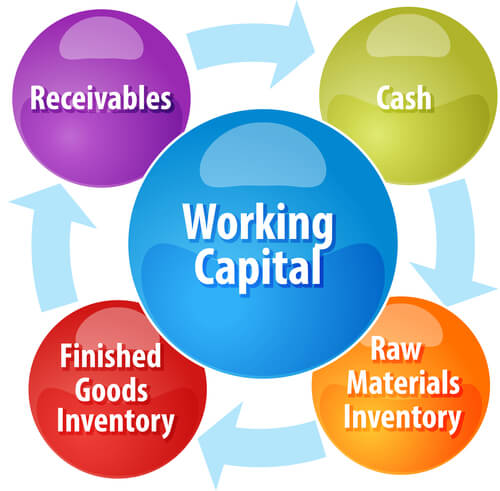 There’s nothing for the lender to repossess if things go sideways. That sounds great on paper — and it is — but there’s a trade-off. Because the lender is taking on more risk, unsecured financing typically comes with higher interest rates, shorter repayment terms, and stricter requirements around credit and annual revenue.
That said, unsecured options have exploded in the last decade. For small business owners who don’t have equipment or real estate to pledge, these products can be a lifeline.
Working Capital Loans
A working capital loan covers everyday operational expenses — payroll, rent, utilities, supplies. It’s the money that keeps the lights on while you wait for revenue to catch up.
These are typically short-term loans with monthly payments spread over six to 24 months. Approval is usually based on your annual revenue and time in business more than your credit score, which makes them accessible to a wider range of small businesses.
Merchant Cash Advance
A merchant cash advance — or MCA — isn’t technically a loan at all. It’s an advance against  your future sales. A financing company gives you a lump sum upfront, and you repay it through a fixed percentage of your daily credit card or debit card transactions. When sales are strong, you pay more. When they slow down, you pay less.
MCAs are one of the fastest funding options available. Approval can happen in 24 hours, and the credit requirements are minimal. That speed and accessibility make them popular with businesses that need money now and can’t wait on a traditional bank. The downside is cost — MCAs carry higher factor rates than most other types of financing, so they work best as a short-term solution rather than a long-term strategy.
We work with businesses on MCA funding regularly, and the biggest piece of advice we give is this: make sure you understand the total repayment amount before you sign. Know what you’re paying back, not just what you’re getting.
Business Line of Credit
A business line of credit works like a credit card for your company. You get approved for a maximum amount, and you draw from it as needed. You only pay interest on what you actually use, and once you pay it back, that credit is available again. It’s revolving, flexible, and one of the most versatile funding sources out there.
Lines of credit are ideal for managing cash flow gaps, covering unexpected expenses, or taking advantage of opportunities that pop up without warning. The excess use of available credit can impact your borrowing profile, though, so it’s smart to keep your utilization in check — just like you would with a personal credit card.
Why Business Credit Matters for Unsecured Financing
Here’s something a lot of business owners overlook — your business credit profile directly impacts what unsecured financing you can qualify for and what it’s going to cost you. Lenders look at your business credit score the same way a landlord checks your personal credit before handing over the keys.
Building strong business credit takes time, but it’s one of the smartest investments you can make. It separates your personal finances from your business, opens the door to better rates and higher limits, and gives lenders confidence that your company is legitimate and financially responsible.
We’re passionate enough about this topic that we put together an entire video series on how to build your business credit from scratch — step by step. Whether you’re a brand-new startup or an established company that never focused on the business credit side, it walks you through exactly what to do, which accounts to open, and how to build a profile that lenders actually respect. It’s one of the most impactful things you can do for your company’s financial future.
SBA Loan Programs & Government Resources
What Makes SBA Loans Different
SBA loans aren’t funded directly by the government. The Small Business Administration partners with approved lenders — banks, credit unions, and intermediary lenders — and guarantees a portion of the loan. That guarantee reduces lender risk, which means better terms for you as the borrower. Lower interest rates, longer repayment periods, and smaller down payments than you’d get with a conventional bank loan.
The trade-off is speed. SBA loan programs involve more paperwork and longer processing times than most other financing options. But if you qualify, the terms are hard to beat.
The Main SBA Loan Programs
SBA 7(a) Loans are the most common. They can be used for almost any business purpose — working capital, equipment, real estate, even refinancing existing business debt. Loan amounts go up to $5 million, and repayment terms can stretch up to 25 years depending on how the funds are used.
CDC/504 Loans are designed specifically for major fixed-asset purchases like commercial real estate or large equipment. These are structured through Certified Development Companies — SBA partners that work at the local level — and typically offer some of the best loans available in terms of long-term, fixed-rate financing.
SBA Microloans max out at $50,000 and are distributed through intermediary lenders, usually nonprofit community organizations. These are built for startups and smaller businesses that need a modest amount of capital and may not qualify for larger loan programs. They’re one of the few options where small business access to funding doesn’t depend on having years of history or perfect credit.
Local Support and Business Development Resources
Beyond the loans themselves, the SBA offers financial assistance through Small Business Development Centers, SCORE mentoring, and Women’s Business Centers. These programs provide free or low-cost guidance on business planning, financial management, and navigating the application process. If you’ve never applied for an SBA loan before, connecting with one of these local support organizations first can save you a lot of time and frustration.
Is an SBA Loan Right for You?
SBA loans are best suited for small business owners who have decent credit, at least some operating history, and the patience to work through a longer approval process. If you need funding fast, this probably isn’t your first move. But if you’re planning ahead and want the lowest cost of capital available, an SBA loan should be on your list.
Franchise Financing
A Different Animal
Buying a franchise isn’t the same as starting a business from scratch. You’re stepping into a proven model with an established brand, existing systems, and a track record that lenders can actually evaluate. That changes the financing conversation significantly — and usually in your favor.
How Franchise Financing Works
Most franchise financing is structured as a term loan or an SBA loan tailored to cover the franchise fee, buildout costs, equipment, and initial working capital. The SBA maintains a franchise directory of approved brands, and if your franchise is on that list, it streamlines the approval process considerably. Lenders see a recognized brand with documented performance data, which reduces their risk and often translates to better rates — sometimes tied to the prime rate or just above it.
What You’ll Need to Qualify
Even though the franchise model gives you a head start with lenders, you still need to bring something to the table. Most franchise financing programs require a reasonable credit score, a down payment (typically 10 to 30 percent), and enough liquid capital to cover the first few months of operation. Some of the best loans for franchise buyers come through SBA 7(a) programs, where repayment terms can stretch out long enough to keep monthly payments manageable while the business ramps up.
Not Just Big-Name Brands
Franchise financing isn’t limited to fast food chains and hotel brands. We’ve seen financing come together for everything from fitness studios and cleaning services to automotive shops and senior care facilities. If there’s a franchise model behind it, there’s likely a financing path for it. The key is matching the right type of financing to the specific franchise opportunity — and that’s where working with someone who understands both sides of the equation makes a difference.
Alternative Funding Sources
Beyond Banks and Lenders
Not every dollar that funds a business comes from a loan. Some of the most successful companies in the world got their start through funding sources that had nothing to do with a bank or a lending institution. If traditional and non-traditional lending isn’t the right fit — or you want to avoid taking on business debt entirely — these alternatives are worth understanding.
Angel Investors & Venture Capitalists
Angel investors are individuals who invest their own money into early-stage businesses in  exchange for equity — a percentage of ownership. They’re typically entrepreneurs themselves, and beyond the capital, many bring industry connections and mentorship to the table.
Venture capitalists operate similarly but on a larger scale. They represent firms that pool money from multiple equity investors and deploy it into companies with high growth potential. The funding amounts are bigger, but so are the expectations. VCs want aggressive growth and a clear exit strategy — acquisition or IPO. This path isn’t for every business, but for the right company in the right market, it can be transformational.
Personal Savings
It’s not glamorous, but personal savings remain one of the most common funding sources for new businesses. There’s no application, no interest rate, and no one to answer to. The obvious risk is that you’re putting your own money on the line — and if the business doesn’t work out, those personal assets don’t come back.
If you go this route, set a hard limit on what you’re willing to invest and treat it like any other financial commitment. Don’t let the ease of access turn into excess use of your own reserves.
Which Path Fits?
Each of these alternatives comes with its own set of trade-offs. Angel investors and venture capitalists want ownership. Personal savings carry personal risk. Seasonal financing only makes sense if your revenue follows a predictable cycle. The right choice depends entirely on your business model, your goals, and how much control you want to keep.
Online Lenders & Choosing the Right Financing
The Modern Alternative
Online lenders have changed the game for small businesses that need funding without the wait. The application process is digital, approvals can come in hours, and funds often land within a day or two. For business owners with bad credit or limited history who can’t get through the door at a traditional bank, online lenders fill a critical gap.
The trade-off is cost. Faster access and looser requirements usually mean higher rates. But for the right situation — a short-term need, a time-sensitive opportunity — the speed and accessibility are worth it.
Matching the Financing to the Need
With this many options on the table, the real question isn’t can you get financing — it’s which type of financing fits your situation. A few things to consider:
- What’s the money for? Equipment, working capital, real estate, and inventory all point to different products.
- How fast do you need it? SBA loans take months. An MCA takes days.
- What can you qualify for? Your credit, annual revenue, and time in business narrow the field.
- How much can you afford to repay? Understand the monthly payments before you commit.
There’s no single best loan for every business. The smartest move is working with a financing partner, like Leasefunders.com who offers multiple products and can match you with the right one — not just the one they happen to sell.
Final Thoughts
Business financing isn’t one-size-fits-all. Whether you’re a new business looking for your first equipment lease, a growing company that needs help with cash flow through factoring, or an established operation looking to consolidate MCA debt — the right financing is out there.
We work with small businesses every day across all of these products. If you’re not sure where to start, that’s exactly what we’re here for. Let’s talk about your situation and find the funding that fits.
Updated 3/30/26 by Liz Roberts